




Introduction: The Cannabinoid Conundrum
Walk into any pharmacy, health food store, or gas station today, and you’ll likely encounter them: colorful gummy bears promising better sleep, tinctures claiming anxiety relief, and oils advertising pain relief. Cannabidiol—better known as CBD—has become ubiquitous, infused into everything from sparkling water to pet treats.
But beneath the marketing gloss lies a complicated reality. CBD is simultaneously one of the most promising and most misunderstood compounds in modern wellness. It has transformed from a niche cannabis derivative into a multi-billion dollar industry, all while navigating a regulatory landscape that remains fundamentally unsettled.
This comprehensive guide cuts through the hype to examine what CBD gummies and oil can actually do, what they cannot, and how to navigate the gap between anecdote and evidence. We’ll explore the science, the safety considerations, and the practical questions that every consumer should ask before purchasing.
Part One: Understanding CBD—The Basics
What Actually Is CBD?
Cannabidiol (CBD) is one of over 500 unique compounds found in the cannabis plant . Unlike its more famous cousin tetrahydrocannabinol (THC), CBD produces no intoxication or euphoria—it will not get you “high.” This fundamental difference explains both its widespread appeal and its complex legal status.
Key Distinctions:
- CBD: Non-intoxicating, derived from hemp or marijuana, legal complexity
- THC: Psychoactive, produces “high,” federally illegal but state-legal in many jurisdictions
- Hemp: Cannabis variety with ≤0.3% THC by dry weight
- Marijuana: Cannabis variety with >0.3% THC
CBD Gummies Versus CBD Oil: Formulation Matters
CBD Oil (Tinctures):
CBD oil typically comes in dropper bottles for sublingual administration—placed under the tongue for 30-60 seconds before swallowing. This route allows absorption directly into the bloodstream through the mucous membranes, bypassing the digestive system.
Onset time: 15-45 minutes
Duration: Several hours
Advantages: Adjustable dosing, faster effects, higher bioavailability
CBD Gummies:
Gummies are edibles that must pass through the digestive system and liver before entering the bloodstream—a process called first-pass metabolism.
Onset time: 1-3 hours
Duration: Up to 8 hours
Advantages: Discreet, pre-measured doses, pleasant taste, longer-lasting effects
The choice between them depends entirely on your goals. For sleep, gummies’ delayed onset and extended duration may prove beneficial. For acute anxiety or breakthrough pain, oil’s faster action often makes more sense.
Part Two: The Evidence—Where Science Stands
The One Undisputed Application: Epilepsy
Amid the noise of wellness claims, one application stands on unshakeable scientific ground: epilepsy treatment. The FDA approved Epidiolex, a highly purified CBD oral solution, in 2018 for two rare and severe forms of epilepsy—Lennox-Gastaut syndrome and Dravet syndrome .
A 2026 systematic review examined CBD’s effectiveness across a range of developmental and epileptic encephalopathies and complex treatment-resistant epilepsies. Across 57 studies involving 971 patients, CBD demonstrated meaningful seizure reduction, with some patients achieving seizure freedom . The evidence quality here is robust, supported by randomized controlled trials and real-world data.
The Takeaway: For epilepsy, CBD works. This is not anecdote; it’s established medical fact.
Sleep: Promising but Complex
The relationship between CBD and sleep is more nuanced than marketing suggests. A 2024 randomized trial found that cannabinol (CBN)—a different cannabinoid—may improve sleep by reducing nighttime awakenings . CBD itself, either alone or with small THC amounts, may help people fall asleep faster and stay asleep longer .
However, sleep improvement often occurs indirectly. When chronic pain, anxiety, or racing thoughts prevent sleep, addressing those underlying issues with CBD may produce better rest. A 2022 review noted that while enthusiasm for cannabis and sleep has outpaced evidence, the rationale for further research remains strong .
The Australian QUEST study, following over 2000 patients using medicinal cannabis oils, found clinically meaningful improvements in sleep disturbance scores (Cohen’s d 0.8—a large effect size) over 12 months .
The Caveat: Commercial CBD products for sleep vary enormously in formulation. Some contain CBN, others melatonin, others only CBD. Knowing what you’re taking matters.
Anxiety: The Emerging Evidence
Anxiety relief represents perhaps the most common reason people try CBD. The evidence base, while growing, remains preliminary but encouraging.
The QUEST study demonstrated clinically meaningful improvements in both anxiety and depression scores among patients prescribed CBD-dominant oils . A 12-week randomized controlled trial of a broad-spectrum CBD blend found that women reported reduced perceived stress, while men showed decreased “anger-hostility” scores .
Preclinical research offers mechanistic explanations. CBD appears to enhance GABA signaling and endocannabinoid function—systems involved in regulating anxiety . A 2023 Frontiers in Neuroscience study using a mouse model of autism spectrum disorder found that vaporized CBD promoted prosocial behavior, with different dose-response relationships for anxiety versus social interaction .
The Reality Check: While these results encourage further investigation, the FDA has not approved CBD for anxiety, and most studies involve specific formulations that may not reflect commercial products .
Pain: The Opioid-Sparing Potential
Chronic pain affects millions, and many seek alternatives to opioids. Here, CBD shows genuine promise, though evidence strength varies by pain type.
For neuropathic pain, a Cochrane review including 16 studies with 1750 participants found that cannabis-based medicines increased the likelihood of achieving 30% pain relief (39% vs 33% with placebo) and 50% pain relief (21% vs 17%) . The effect was modest but real.
The QUEST study found significant improvements in both pain intensity and pain interference scores among chronic pain patients using medical cannabis oils . Perhaps more strikingly, 70% of participants who used opioids at baseline reduced or discontinued their opioid use over 12 months .
The cbdMD clinical trial demonstrated that 100mg daily of a broad-spectrum CBD blend produced “substantial pain relief” compared to placebo over 90 days . MDrelief, a full-spectrum hemp product, showed clinically meaningful improvements in pain interference and intensity for 54-66% of participants, with particularly strong responses in women under 50 .
The Mechanism: CBD interacts with the endocannabinoid system, which regulates pain perception, inflammation, and immune response . It may also enhance the efficacy of conventional pain medications, as suggested by liver cancer research showing CBD sensitized cells to sorafenib and cabozantinib .
The Frontier: Autism and Beyond
Emerging research explores CBD for conditions far beyond current applications. The BTBR mouse model study suggested CBD, particularly combined with cannabis-derived terpenes, may improve social behavior in autism spectrum disorder . The authors noted that those with ASD are commonly deficient in endocannabinoid signaling, providing mechanistic justification for further investigation.
Liver cancer research has identified multiple pathways through which CBD may exert antitumor effects, including apoptosis induction, autophagy regulation, and metastasis suppression . However, these findings remain preclinical—promising but far from clinical application.
Part Three: Safety—The Underappreciated Side
Common Side Effects
CBD is not risk-free, despite its natural origin. Documented adverse effects include :
- Gastrointestinal: Diarrhea (17-50% in studies), decreased appetite (7-45%), vomiting (5-86%)
- Neurological: Drowsiness, fatigue, dizziness
- Metabolic: Appetite changes, weight fluctuations
- Hepatic: Liver enzyme elevations, potential liver injury
The systematic review of epilepsy patients found adverse events were generally mild to moderate, but the incidence rates demand attention .
The Liver Concern
CBD can cause transaminase elevations—markers of liver stress or injury . This effect appears dose-related and may prove more significant when combined with other hepatotoxic medications (acetaminophen, valproic acid, certain anti-seizure drugs).
Drug Interactions: The Hidden Danger
CBD competes for the same liver enzymes (cytochrome P450 CYP3A4 and CYP2C19) that metabolize approximately 60% of prescription medications . This competition can dramatically alter drug levels in your bloodstream.
Medications that may interact :
- Anti-seizure drugs: clobazam, topiramate, carbamazepine
- Blood thinners: warfarin
- Immunosuppressants: cyclosporine, tacrolimus
- Antidepressants: tricyclic antidepressants
- Heart medications: amiodarone
- Opioids: methadone
- Thyroid medication: levothyroxine
Older adults face particular risk, as they typically take more medications and represent the fastest-growing group of cannabis users .
Pregnancy and Breastfeeding: Avoid
The FDA strongly recommends against CBD use during pregnancy or breastfeeding . Animal studies show adverse effects on fetal development at high doses, and CBD can pass into breast milk . The research gap here is absolute—we simply don’t know the risks, making avoidance the only prudent choice.
Part Four: The Quality Crisis—What’s Really in That Bottle
The Labeling Problem
Perhaps the most concerning aspect of the CBD market is the profound disconnect between labels and reality.
A landmark 2017 study examining 84 CBD products sold online found that only 30% accurately labeled their CBD content . Twenty-one percent contained detectable THC—potentially causing failed drug tests or unexpected intoxication . Some products contained no CBD at all.
The Drugs.com analysis reinforces this concern: “Strengths and purity can vary between brands and even within the same brand, meaning that there is no guarantee that you are getting what you think you are getting” .
The Certificate of Analysis (COA)
Legitimate manufacturers provide Certificates of Analysis from independent laboratories. These documents verify :
- Actual CBD content (compared to labeled amount)
- THC levels (should be <0.3% for hemp-derived products)
- Contaminant testing (pesticides, heavy metals, solvents)
If a company cannot or will not provide current COAs, consider that a red flag.
Synthetic Cannabinoids: The New Threat
Dr. Staci Gruber of Harvard Medical School warns about an emerging concern: “These may contain laboratory-created compounds including synthetic or semi-synthetic cannabinoids, which I don’t recommend” . These synthesized compounds may have unpredictable effects and unknown safety profiles.
Part Five: Regulatory Limbo—Why Clarity Remains Elusive
The FDA Stalemate
Despite CBD’s ubiquity, the FDA has not approved it for use in dietary supplements or foods . The agency’s position rests on the 2018 approval of Epidiolex as a drug—under federal law, an ingredient studied as a drug cannot be marketed as a supplement.
This creates a paradox: CBD products line store shelves nationwide, yet technically exist in regulatory gray space. The FDA has not broadly enforced against CBD products, but this could change.
State Versus Federal
Hemp-derived CBD (≤0.3% THC) is federally legal under the 2018 Farm Bill. However, state laws vary, and some restrict or prohibit CBD sales . Marijuana-derived CBD remains federally illegal but available in states with legal cannabis programs.
Marketing Claims and Reality
Companies cannot legally claim their CBD products treat diseases—that would require FDA approval. Instead, they make “structure-function” claims: “supports relaxation,” “promotes restful sleep,” “helps manage everyday stress” .
The distinction matters. When MDbio places a “clinically proven” seal on its sleep product, they reference specific clinical trial results, not FDA endorsement .
Part Six: Practical Guidance—Choosing and Using CBD
Start Low, Go Slow
Dr. Gruber’s advice applies universally: “Start low and go slow” . Individual responses vary dramatically based on age, weight, metabolism, and prior cannabis exposure.
A reasonable approach:
- Begin with the lowest available dose (typically 5-10mg for gummies, 1-2 drops for oil)
- Maintain that dose for 3-5 days, observing effects
- Increase gradually if needed, waiting 3-5 days between adjustments
- Track effects in a journal—sleep quality, anxiety levels, pain scores
Choosing a Product
Step One: Source
Dispensaries in states with legal cannabis programs offer advantages: mandatory testing, potency verification, and knowledgeable staff . For those without dispensary access, research brands thoroughly.
Step Two: Testing
Request current Certificates of Analysis. Verify:
- CBD content matches label
- THC below 0.3% (if avoiding THC)
- No contaminants detected
Step Three: Formulation
Match the product to your needs:
- Sleep: Consider products with CBN or low-dose THC; gummies for overnight effects
- Anxiety: Oil for faster onset; pure CBD or balanced CBD:THC depending on sensitivity
- Pain: Full-spectrum products (containing multiple cannabinoids and terpenes) may enhance effects through the “entourage effect”
The Entourage Effect
The theory holds that cannabinoids and terpenes work synergistically—the whole plant exceeding the sum of its parts. The Frontiers in Neuroscience study supports this, finding that terpene blends enhanced CBD’s prosocial effects in mice .
Full-spectrum products contain all cannabinoids and terpenes naturally present in the plant (including trace THC). Broad-spectrum products contain multiple compounds but no THC. Isolates contain only pure CBD.
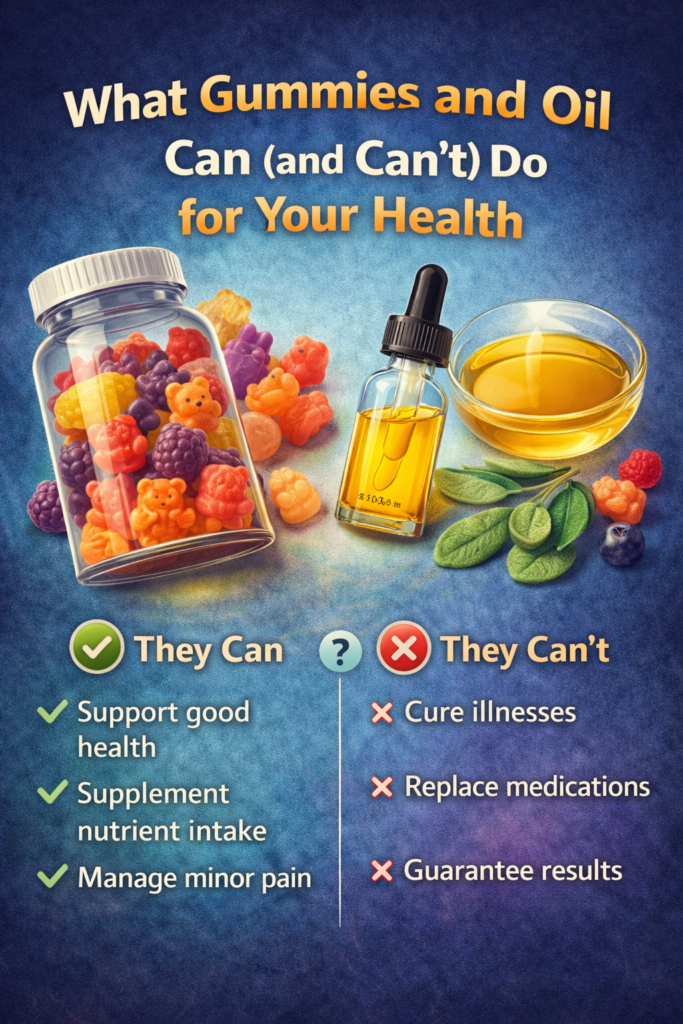
Part Seven: The Bottom Line—What CBD Can and Cannot Do
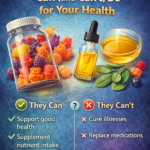
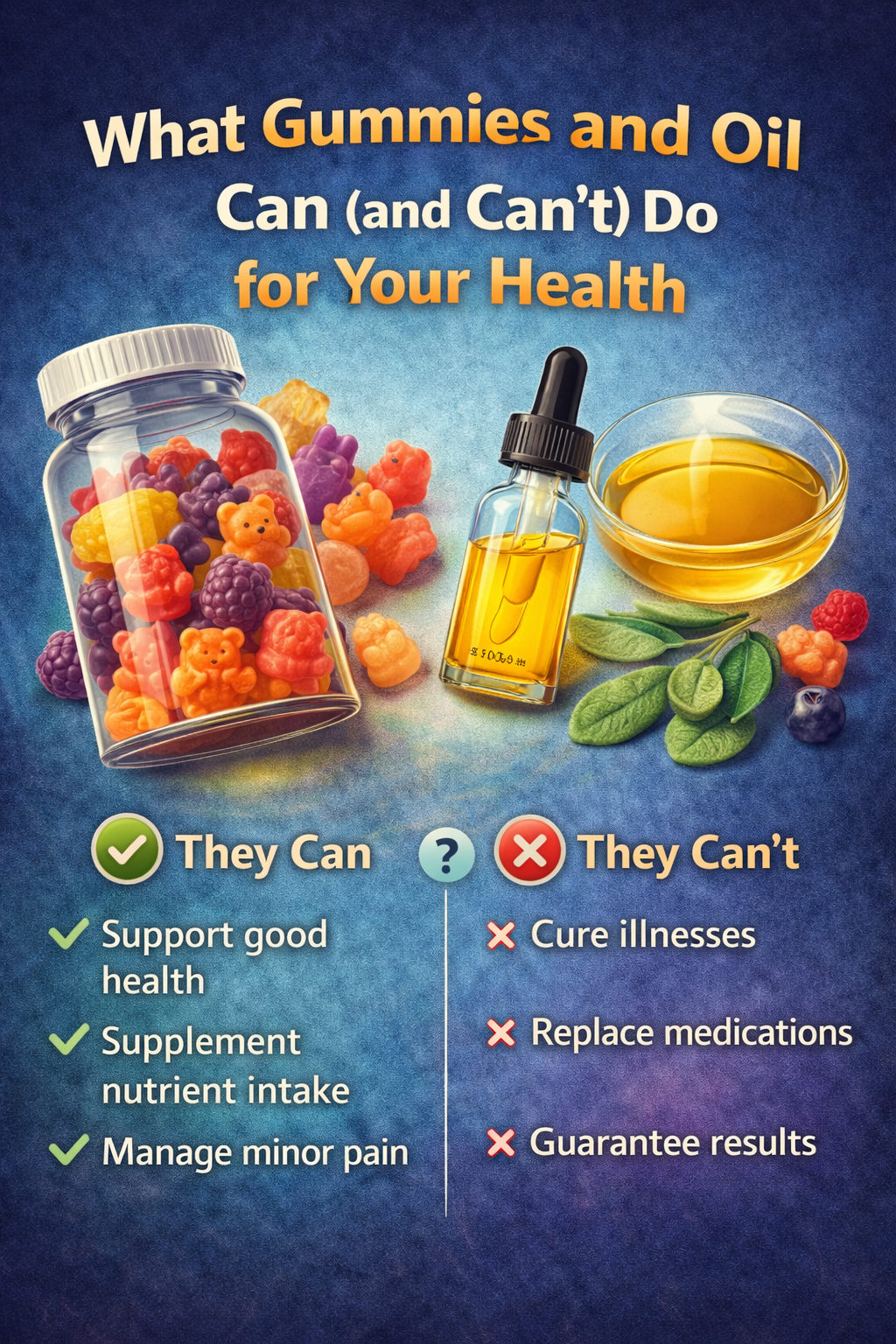
What CBD Can Do (Evidence-Based)
Can: Reduce seizure frequency in specific epilepsy syndromes
Can: Provide modest relief for certain types of chronic pain
Can: Improve sleep quality, particularly when sleep disruption stems from pain or anxiety
Can: Reduce anxiety and stress in some individuals
Can: Help some patients reduce opioid use
What CBD Cannot Do (Yet)
Cannot: Cure cancer (despite promising preclinical research)
Cannot: Replace established treatments without evidence
Cannot: Guarantee consistent effects across different products
Cannot: Promise safety in pregnancy or breastfeeding
What Remains Uncertain
Uncertain: Optimal dosing for different conditions
Uncertain: Long-term effects of chronic use
Uncertain: Which patients benefit most from which formulations
Uncertain: Full drug interaction profile
Conclusion: Navigating the Hype
CBD occupies a unique position in modern wellness—a compound with genuine therapeutic potential swimming in a sea of marketing exaggeration. The truth, as usual, lies somewhere between wholesale dismissal and uncritical acceptance.
For some individuals, CBD gummies or oil may provide meaningful relief—better sleep, reduced anxiety, manageable pain. For others, the same product may produce no effect whatsoever. Individual biology, product quality, and condition-specific factors all influence outcomes.
The path forward requires skepticism without cynicism. Demand evidence, seek transparency, and maintain realistic expectations. Understand that a gummy promising “deep sleep” may help, but it won’t replace good sleep hygiene. An oil claiming “anxiety relief” may calm your mind, but it won’t substitute for therapy or medication where needed.
The CBD industry stands at a crossroads. As research accelerates and regulation potentially clarifies, today’s confusing marketplace may eventually give way to evidence-based products with reliable effects. Until then, consumers must navigate with eyes open—appreciating CBD’s genuine promise while recognizing its very real limitations.
The most honest answer to “Do CBD gummies and oil work?” remains: sometimes, for some people, for some conditions. That’s not a satisfying soundbite, but it’s the truth. And in a market built on hype, truth is the rarest commodity of all.