




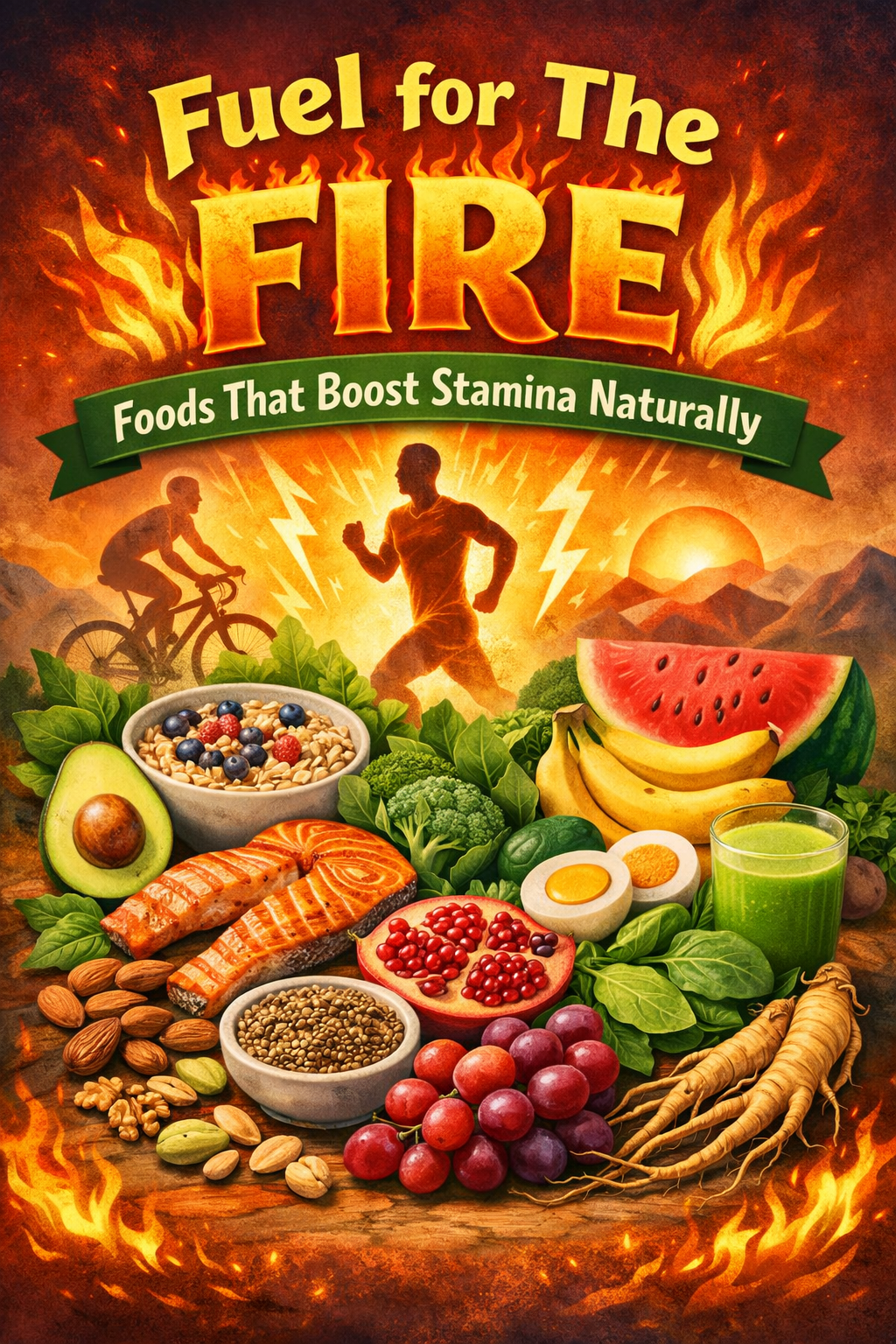

Introduction: The Foundation of Endurance
Stamina—the capacity to sustain prolonged physical or mental effort—is not merely a product of training regimens and willpower. Beneath every endurance athlete’s performance, every parent’s long day, and every professional’s sustained focus lies a fundamental truth: you are what you eat.
The relationship between nutrition and stamina has been understood intuitively for millennia. Ancient Greek athletes consumed figs and wheat before competitions. Roman gladiators ate barley for sustained energy. Traditional Chinese medicine prescribed specific foods for “qi” or vital energy. Today, sports nutrition science has validated what traditional wisdom long suspected: certain foods possess remarkable properties for sustaining energy, delaying fatigue, and enhancing performance.
This comprehensive guide explores the scientifically-proven foods that naturally boost stamina, examining both the mechanisms behind their effects and practical strategies for incorporating them into your daily nutrition.
Part One: Understanding Stamina at the Cellular Level
Before examining specific foods, we must understand what stamina means physiologically. Stamina depletion isn’t simply “running out of energy”—it’s a complex cascade involving multiple systems.
The Energy Currency: ATP
All cellular energy derives from adenosine triphosphate (ATP). During sustained activity, your body continuously regenerates ATP through three energy systems:
- Phosphocreatine system (immediate, seconds)
- Glycolytic system (short-term, minutes)
- Oxidative system (long-term, hours)
Foods that boost stamina typically support the oxidative system—the body’s ability to convert nutrients into sustained ATP production using oxygen.
The Fatigue Factors
Fatigue isn’t simply energy depletion. It involves:
- Glycogen depletion: Running out of stored carbohydrates
- Dehydration and electrolyte imbalance: Impaired cellular function
- Oxidative stress: Cellular damage from free radicals
- Inflammation: Immune responses that impair performance
- Central nervous system fatigue: Brain-derived exhaustion
Effective stamina foods address multiple factors simultaneously.
Part Two: Complex Carbohydrates—The Stamina Foundation
Oats: The Sustained Release Champion
Few foods deliver sustained energy as effectively as oats. Their unique carbohydrate profile—primarily complex carbohydrates with significant soluble fiber (beta-glucan)—creates a slow, steady glucose release into the bloodstream.
The Science: Beta-glucan delays gastric emptying and slows carbohydrate absorption, preventing the blood sugar spikes and crashes associated with refined carbohydrates. A 2016 study in the Journal of Nutrition found that consuming oats before exercise improved endurance performance and maintained blood glucose levels longer than refined carbohydrate meals .
Practical Application: Steel-cut or rolled oats outperform instant varieties, which have higher glycemic indices. Prepare overnight oats with berries and nuts for a pre-exercise meal consumed 2-3 hours before activity.
Sweet Potatoes: Glycogen Superstars
Sweet potatoes deserve their reputation as endurance athletes’ preferred carbohydrate source. Their complex carbohydrate structure, combined with unique nutrient density, makes them exceptional stamina foods.
The Science: Beyond carbohydrates, sweet potatoes provide significant manganese (essential for carbohydrate metabolism), vitamin C (immune support during intense training), and potassium (crucial for muscle function and preventing cramps). Their moderate glycemic index provides sustained energy without dramatic insulin responses .
Practical Application: Roasted sweet potatoes make excellent pre-workout meals. For endurance events exceeding 90 minutes, incorporating sweet potatoes into pre-event meals 3-4 hours beforehand optimizes glycogen stores.
Brown Rice: The Training Table Staple
While white rice provides quick energy, brown rice offers sustained stamina through its intact fiber and nutrient profile.
The Science: Brown rice retains the bran and germ layers, providing B vitamins essential for energy metabolism, magnesium for muscle function, and fiber for sustained absorption. Research indicates that diets emphasizing whole grains like brown rice improve exercise performance and reduce fatigue compared to refined grain diets .
Part Three: Quality Proteins—Repair and Sustain
Eggs: The Complete Package
Eggs represent nature’s most complete protein source, containing all essential amino acids in proportions nearly identical to human requirements.
The Science: The leucine content in eggs—approximately 0.5 grams per egg—specifically stimulates muscle protein synthesis. Beyond protein, eggs provide choline for neurotransmitter function (essential for neuromuscular coordination) and B vitamins for energy metabolism. A 2017 study demonstrated that egg consumption post-exercise enhanced muscle recovery and subsequent performance compared to carbohydrate-only recovery meals .
Practical Application: Whole eggs outperform egg whites alone, as the yolk contains crucial nutrients for recovery. Consuming eggs within two hours post-exercise optimizes muscle repair.
Fatty Fish: Omega-3 Powerhouses
Salmon, mackerel, sardines, and other fatty fish deliver dual stamina benefits: high-quality protein and anti-inflammatory omega-3 fatty acids.
The Science: Omega-3 fatty acids (EPA and DHA) reduce exercise-induced inflammation, potentially decreasing muscle soreness and accelerating recovery. A 2018 meta-analysis found that omega-3 supplementation improved endurance performance and reduced perceived exertion during exercise. Additionally, fish provides vitamin D, crucial for muscle function and often deficient in athletes .
Practical Application: Two to three servings of fatty fish weekly provide optimal benefits. For plant-based individuals, algae-derived omega-3 supplements offer alternatives, though whole fish provides superior nutrient synergy.
Part Four: Strategic Fats—The Endurance Fuel
Nuts and Seeds: Portable Stamina
Almonds, walnuts, pumpkin seeds, and chia seeds represent concentrated energy sources with remarkable staying power.
The Science: Nuts and seeds combine healthy fats, protein, and fiber—a trifecta for sustained energy. Walnuts specifically provide alpha-linolenic acid (ALA), a plant-based omega-3 that supports cardiovascular function during prolonged activity. Pumpkin seeds deliver magnesium and zinc, minerals critical for energy production and immune function during intense training .
Practical Application: A handful of mixed nuts provides sustained energy for 2-3 hours. For endurance activities, combining nuts with dried fruit creates an ideal portable fuel source.
Avocados: The Smooth Operator
Avocados have transcended food trend status to earn recognition as legitimate stamina foods.
The Science: Avocados provide monounsaturated fats that serve as sustained energy sources while delivering significant potassium—more per gram than bananas. Potassium maintains electrolyte balance and prevents muscle cramps during prolonged activity. The fat content also supports absorption of fat-soluble vitamins from other foods consumed simultaneously .
Practical Application: Pre-exercise avocado on whole-grain toast provides 3-4 hours of sustained energy. Post-exercise, avocados support recovery and reduce inflammation.
Part Five: Hydration and Electrolytes—The Overlooked Essentials
Coconut Water: Nature’s Sports Drink
Before commercial sports drinks existed, tropical cultures consumed coconut water for rehydration—a practice now validated by sports science.
The Science: Coconut water contains natural electrolytes—potassium, magnesium, sodium, and calcium—in proportions similar to human plasma. A 2012 study comparing coconut water to conventional sports drinks found comparable rehydration effectiveness with less gastrointestinal distress. The natural sugars provide energy without the high fructose levels that cause digestive issues during exercise .
Practical Application: For activities under 90 minutes, coconut water often outperforms commercial sports drinks. For longer events, combining coconut water with salty snacks provides comprehensive electrolyte replacement.
Watermelon: Hydration Plus
Watermelon exemplifies foods that provide multiple stamina benefits simultaneously.
The Science: At 92% water, watermelon provides exceptional hydration. However, its unique stamina benefit comes from L-citrulline, an amino acid that converts to L-arginine in the body, enhancing nitric oxide production. Nitric oxide improves blood vessel dilation, increasing oxygen delivery to working muscles. A 2015 study found that watermelon juice consumption before exercise reduced muscle soreness and heart rate recovery time .
Practical Application: Watermelon consumed 1-2 hours before exercise provides hydration, L-citrulline benefits, and easily accessible carbohydrates. The rind, often discarded, contains concentrated citrulline and can be juiced for enhanced effects.
Part Six: Performance Enhancers—Nature’s Pharmacy
Beets: The Nitrate Powerhouse
Few foods have generated as much research interest in endurance sports as beets.
The Science: Beets contain high concentrations of dietary nitrates, which convert to nitric oxide in the body. Nitric oxide relaxes blood vessels, reducing the oxygen cost of exercise and improving efficiency. A landmark 2009 study found that beetroot juice consumption reduced the oxygen cost of moderate-intensity exercise by 19%, effectively making the same effort feel easier. Subsequent research demonstrated improved time-trial performance across various endurance sports .
The Mechanism: Nitric oxide improves mitochondrial efficiency—the cellular power plants produce ATP with less oxygen, extending endurance before fatigue.
Practical Application: Consume 300-500ml of beetroot juice 2-3 hours before endurance events. For daily stamina, incorporating roasted beets into meals provides cumulative benefits.
Bananas: The Original Energy Bar
Bananas represent nature’s perfect pre-packaged stamina food—portable, digestible, and nutritionally optimized for sustained energy.
The Science: Bananas provide easily digestible carbohydrates (glucose, fructose, and sucrose in balanced proportions) plus significant potassium and vitamin B6. A 2012 study comparing bananas to sports drinks during cycling time trials found equivalent performance enhancement with additional antioxidant benefits from the bananas. The pectin in bananas also supports gut health, increasingly recognized as crucial for overall energy and immune function .
Practical Application: One banana 30-60 minutes before exercise provides optimal fueling without gastrointestinal distress. For events exceeding two hours, consuming half a banana every 30-45 minutes maintains blood glucose effectively.
Part Seven: Herbal Allies—Traditional Stamina Builders
Ginseng: The Ancient Adaptogen
Traditional Chinese Medicine has utilized ginseng for thousands of years specifically for stamina and vitality—claims now investigated by modern research.
The Science: Ginseng contains ginsenosides, compounds that appear to enhance cellular energy production and reduce oxidative stress. A 2018 systematic review of randomized controlled trials found that Panax ginseng supplementation improved physical performance and reduced fatigue compared to placebo. The adaptogenic properties help the body maintain function under physical stress .
Mechanism Uncertainty: While evidence supports efficacy, exact mechanisms remain under investigation, involving multiple pathways including improved mitochondrial function and reduced inflammation.
Practical Application: Standardized ginseng extracts (containing 4-7% ginsenosides) show best results. Cycling usage (2-3 weeks on, 1 week off) prevents tolerance development.
Green Tea: Caffeine Plus Polyphenols
Green tea offers the rare combination of mild stimulation and powerful antioxidant protection.
The Science: Green tea provides caffeine (for central nervous system stimulation and perceived exertion reduction) plus epigallocatechin gallate (EGCG), a polyphenol with antioxidant and anti-inflammatory properties. A 2010 study found that green tea extract supplementation increased fat oxidation during exercise, potentially sparing glycogen stores and extending endurance .
Practical Application: Matcha, providing concentrated green tea, offers higher EGCG levels than steeped tea. Consuming green tea 30-60 minutes before exercise optimizes caffeine timing.
Part Eight: Practical Application—Building Your Stamina Nutrition Plan
Timing Matters
| Timing | Focus | Examples |
|---|---|---|
| 3-4 hours pre-exercise | Glycogen loading, digestion completion | Oatmeal with berries, sweet potatoes with eggs |
| 1-2 hours pre-exercise | Easily digestible energy | Banana, small smoothie, rice cakes with honey |
| 30 minutes pre-exercise | Quick fuel, hydration | Small fruit, coconut water |
| During exercise (>90 min) | Sustained glucose, electrolytes | Dates, sports gels, electrolyte drinks |
| Immediately post-exercise | Glycogen replenishment, protein synthesis | Chocolate milk, fruit with protein powder |
| 2 hours post-exercise | Complete recovery meal | Salmon with sweet potatoes, eggs with avocado toast |
The Daily Stamina Plate
For general stamina maintenance (not event-specific), structure meals around:
- 50% complex carbohydrates: whole grains, starchy vegetables
- 25% quality proteins: fish, eggs, legumes
- 25% colorful vegetables and healthy fats: leafy greens, avocados, nuts
Hydration Strategy
Thirst is a late indicator of dehydration. For sustained stamina:
- Consume 500ml water upon waking
- Drink consistently throughout the day
- For exercise exceeding 60 minutes, incorporate electrolytes
- Monitor urine color (pale yellow indicates adequate hydration)
Part Nine: Common Myths and Misconceptions
Myth: “More protein equals more stamina”
While protein is essential for recovery and muscle maintenance, excessive protein doesn’t enhance stamina and may impair it by displacing carbohydrates—the primary fuel for sustained activity. Balance remains crucial.
Myth: “Fat should be avoided before exercise”
While high-fat meals immediately before exercise can cause gastrointestinal distress, dietary fat plays essential roles in sustained energy and nutrient absorption. The key is timing—fat-containing meals 3-4 hours before exercise provide benefits without digestive compromise.
Myth: “Sports drinks are essential for exercise”
For activities under 60-90 minutes, water and whole foods typically outperform commercial sports drinks, which often contain excessive sugars and artificial ingredients. Coconut water, diluted fruit juices, and homemade electrolyte solutions provide effective alternatives.
Myth: “Carb-loading means eating unlimited pasta”
Classic carb-loading (consuming massive carbohydrate quantities before events) benefits only endurance activities exceeding 90-120 minutes. For most daily stamina needs, consistent carbohydrate intake with meals proves more effective than dramatic pre-event loading.
Part Ten: The Integrative Approach
Synergy Over Individual Foods
The most effective stamina nutrition isn’t about individual “superfoods” but about synergistic combinations. Oats with berries and walnuts provides complex carbohydrates, antioxidants, and healthy fats simultaneously. Salmon with sweet potatoes and spinach delivers protein, complex carbohydrates, and micronutrients in one meal.
Individual Variation
Stamina nutrition isn’t one-size-fits-all. Genetic variations affect caffeine metabolism, carbohydrate tolerance, and nutrient requirements. Experimentation and attention to individual responses remain essential.
The Long Game
Sustainable stamina isn’t built through pre-event nutrition alone. Consistent daily nutrition—emphasizing whole foods, adequate hydration, and appropriate timing—creates the foundation upon which acute strategies build.
Conclusion: Food as Fuel, Food as Medicine
The relationship between food and stamina transcends simple caloric thinking. Every bite represents information for your cells—signals that influence energy production, inflammation, recovery, and ultimately performance.
The foods discussed in this guide share common characteristics: they’re whole, minimally processed, and nutrient-dense. They provide not just energy but the cofactors necessary for that energy to be utilized efficiently. They support not just muscles but the entire physiological system that enables sustained effort.
Traditional cultures understood this intuitively, building dietary patterns around foods that supported the demands of their lives. Modern science now explains why these foods work, identifying the specific compounds and mechanisms that transform ordinary plants and animals into extraordinary stamina resources.
The path to enhanced stamina doesn’t require exotic supplements or extreme protocols. It requires returning to fundamental principles: eat real food, prioritize plants, include quality proteins, stay hydrated, and respect timing. Within this framework, the foods nature provides become the most effective stamina boosters available.
Your body, after all, is not a machine to be fueled but a garden to be nourished. Feed it accordingly.