Introduction: More Than Just a “Male Hormone”
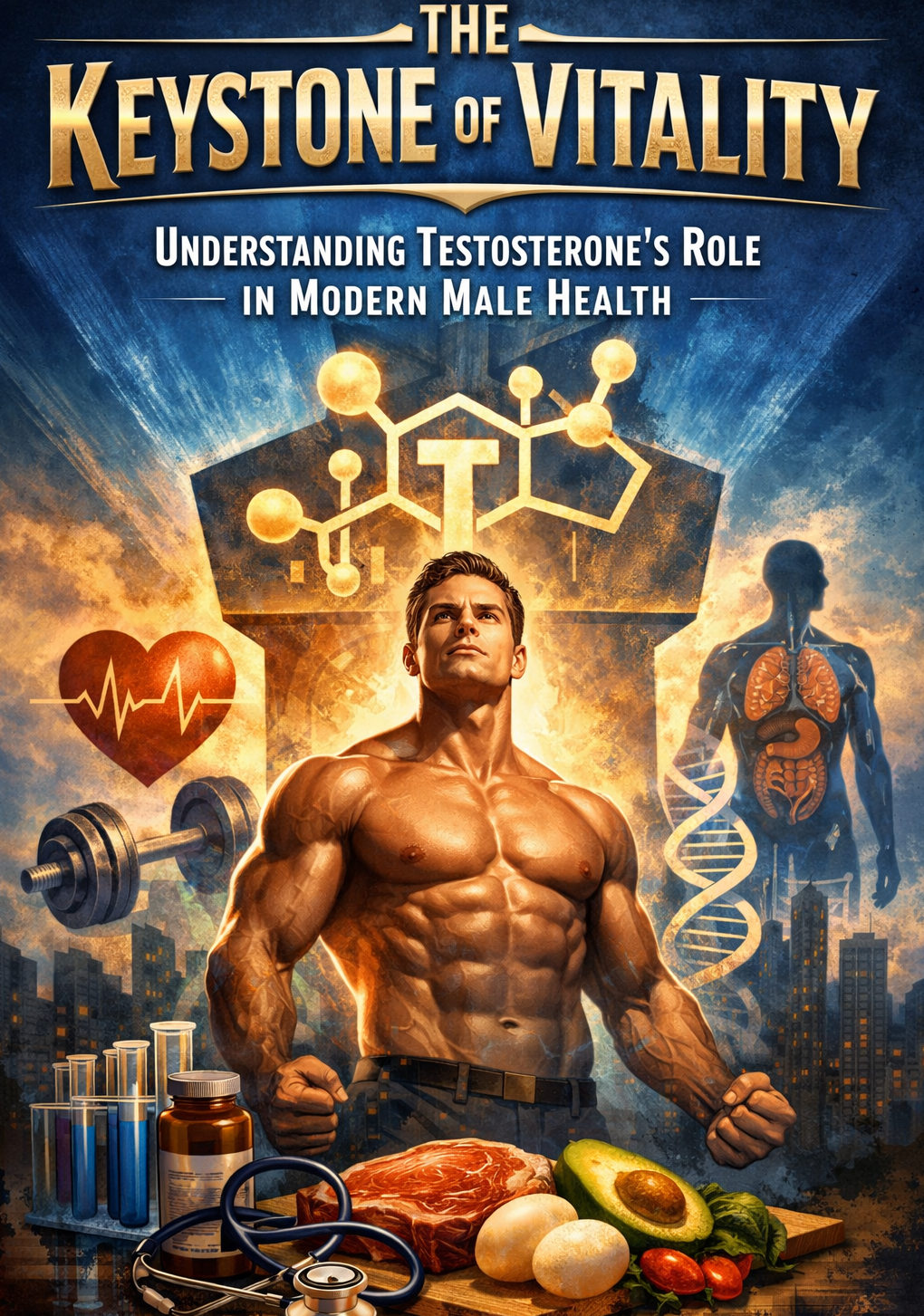
For decades, the cultural conversation surrounding testosterone has been limited to muscle growth and libido. However, modern endocrinology paints a far more complex and crucial picture. Testosterone is not merely the hormone of virility; it is a fundamental pillar of physiological and psychological health in men.
Think of testosterone as the body’s architectural framework. When levels are optimal, the structure is sound—energy is high, cognition is sharp, and metabolic function is efficient. When levels decline too steeply, the entire structure can begin to show signs of wear. Today, we will explore what testosterone truly does for the male body, the silent signs of deficiency, and the holistic strategies to maintain healthy levels as you age.
The Multifaceted Role of Testosterone
While testosterone is classified as an androgen (promoting male characteristics), its receptors are located in nearly every tissue of the body. This means its influence extends far beyond the gym.
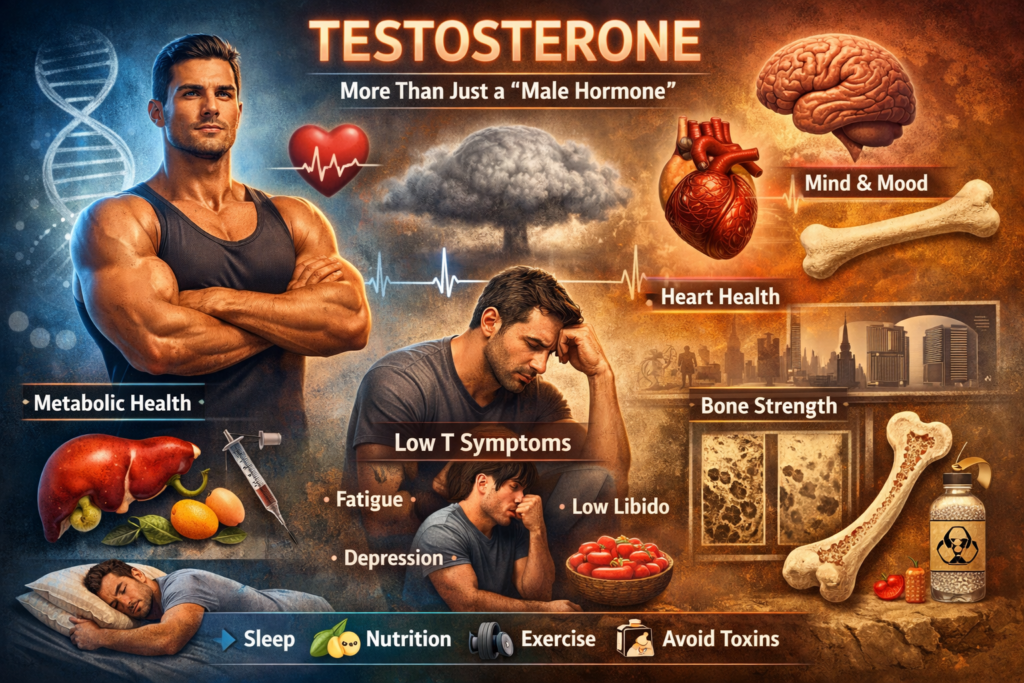
- Metabolic Health and Body Composition: Testosterone plays a critical role in regulating insulin sensitivity, glucose metabolism, and fat distribution. Low testosterone is strongly correlated with an increase in visceral fat (the dangerous fat around the organs). Conversely, healthy levels help the body build and retain lean muscle mass, which keeps the metabolic engine burning efficiently.
- Cognitive and Mental Health: The brain is a major target for testosterone. Optimal levels are associated with sharp focus, strong verbal memory, and a balanced mood. Men with clinically low testosterone often report “brain fog,” irritability, and a significant increase in depressive symptoms. It helps regulate the stress response, acting as a buffer against the ravages of chronic cortisol elevation.
- Cardiovascular Integrity: Emerging research suggests a U-shaped curve regarding testosterone and heart health. While excessively high levels (often due to anabolic abuse) are dangerous, physiologically normal levels are protective. Testosterone aids in vasodilation (widening of blood vessels) and helps maintain healthy red blood cell counts, ensuring oxygen is delivered efficiently throughout the body.
- Bone Density: Osteoporosis is not just a woman’s disease. Men lose bone mass as they age, and testosterone is the primary guardian of skeletal strength in the male body.
The Silent Decline: Recognizing Low Testosterone (Low T)
Aging naturally brings a gradual decline in testosterone—approximately 1% per year after age 30. However, a precipitous drop into clinically low ranges is not an inevitable part of aging; it is often a medical condition called Hypogonadism.
How do you know if you are experiencing a pathological decline versus normal aging? Look for a constellation of symptoms rather than just one:
- Physical: Unexplained fatigue despite adequate sleep, reduction in muscle strength, increase in body fat, and loss of body hair.
- Sexual: Reduced libido, erectile dysfunction, and a decrease in the volume of ejaculate.
- Psychological: Depressed mood, difficulty concentrating, and a significant drop in motivation or competitiveness.
If these symptoms sound familiar, a simple blood test (specifically measuring total and free testosterone) is the first step toward clarity.
Beyond the Quick Fix: A Holistic Approach to Optimization
In a culture of quick fixes, it is tempting to seek immediate relief through testosterone replacement therapy (TRT). While TRT is a life-changing medical intervention for men with diagnosed hypogonadism, it is not a “lifestyle drug” for the mildly fatigued.
Before considering medical therapy—or in conjunction with it—one must address the lifestyle factors that strangle natural production.
1. The Sleep Connection
You cannot out-supplement a sleep deficit. The majority of testosterone production occurs during REM sleep. Studies have shown that sleeping just 5 hours per night can reduce testosterone levels by 10-15%. Prioritizing 7-9 hours of quality sleep is the most powerful “drug-free” intervention available.
2. Nutritional Strategies
Testosterone is synthesized from cholesterol. Therefore, a diet too low in healthy fats can starve the production pathway. Focus on:
- Healthy Fats: Avocados, olive oil, egg yolks, and fatty fish.
- Zinc and Magnesium: Critical co-factors in the enzymatic production of testosterone. Found in red meat, shellfish, pumpkin seeds, and dark leafy greens.
- Vitamin D: Often called the “sunshine vitamin,” it acts more like a hormone in the body and is directly correlated with testosterone levels.
3. Movement Quality
While all exercise is good, not all exercise stimulates testosterone equally.
- Resistance Training: Heavy, compound movements (squats, deadlifts, presses) signal the body to retain muscle and produce more testosterone.
- Avoid Overtraining: Chronic, excessive cardio (like marathon training without adequate fuel) can spike cortisol and actually lower testosterone.
The Environmental Factor: Endocrine Disruptors
A modern consideration in male health is our exposure to xenoestrogens and endocrine-disrupting chemicals (EDCs). Found in plastics (BPA), pesticides, and even some skincare products, these chemicals mimic estrogen in the body and can suppress the hypothalamic-pituitary-gonadal (HPG) axis. Opting for glass containers when possible and choosing clean, organic produce can reduce this toxic load.
Conclusion: Taking Ownership of Your Health
Testosterone is a biomarker of overall wellness. It rises and falls in response to how we treat our bodies. If you suspect your levels are low, do not suffer in silence. Consult a knowledgeable healthcare provider who specializes in men’s health. Do not rely on internet bro-science to diagnose you.
By taking a proactive approach—prioritizing sleep, nutrition, and strength training—you provide your body with the raw materials it needs to thrive. Optimizing your testosterone isn’t just about feeling like a young man again; it’s about ensuring you have the energy, strength, and cognitive clarity to enjoy the life you’ve built for decades to come.
Disclaimer: This article is for informational purposes only and does not constitute medical advice. Always consult with a qualified healthcare professional for diagnosis and treatment.